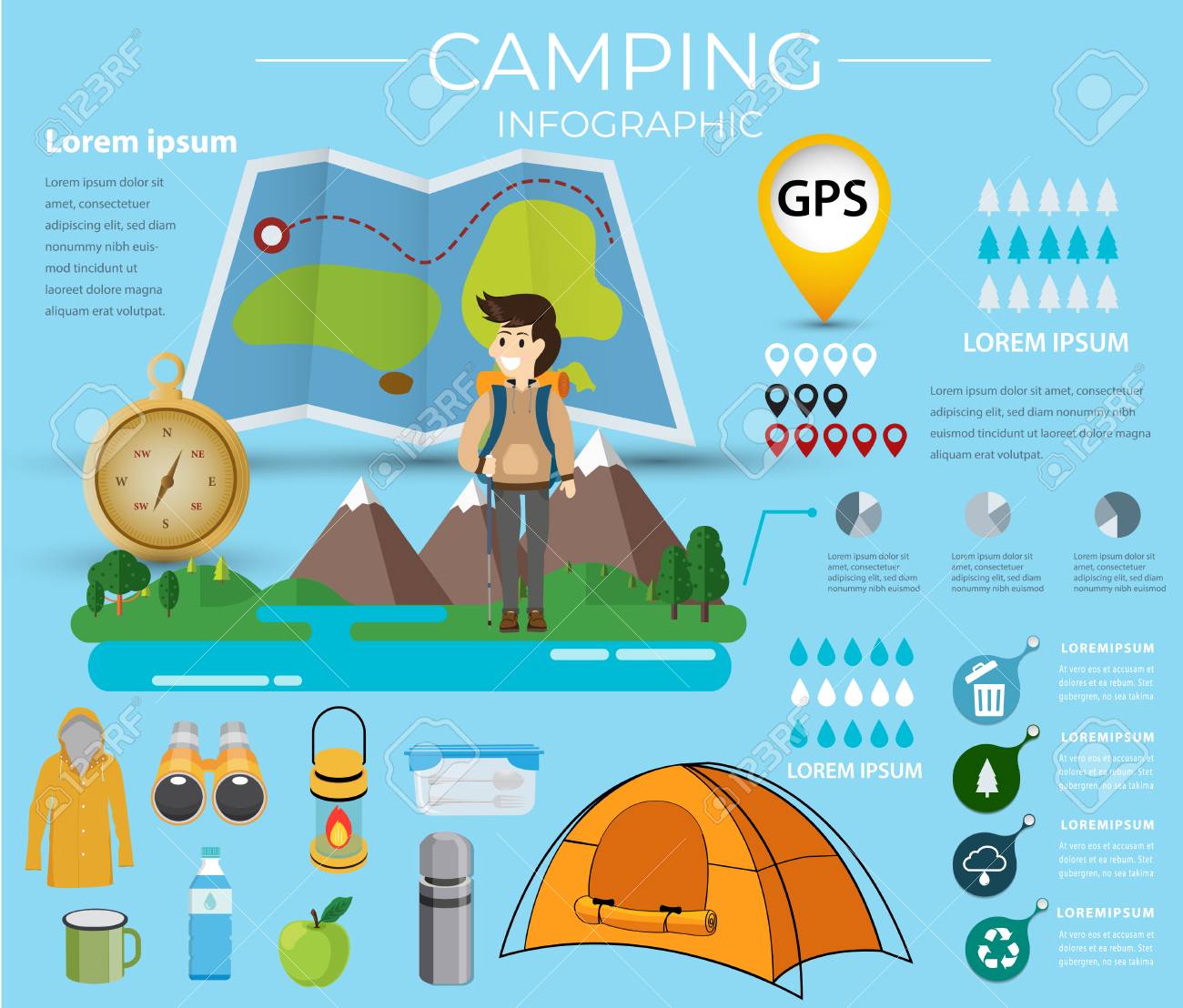
Condensation takes place when warm air is available in contact with a cool surface, like the glass of your window on a trendy morning. Just like dew vaporizes off yard, home window condensation can be gotten rid of swiftly and quickly.
To prevent condensation from happening, aerate your tent by rolling back the rainfall fly and opening up the vestibule doors. This will permit humid air and the moisture of your breath to get away.
Ventilation
Dampness control and a healthy and balanced interior environment are vital for developing owner health and comfort. Nevertheless, if moisture is too much, condensation can base on the surface areas of a building and cause issues such as mould growth or structural damages.
Ventilation aids to reduce condensation by cycling interior air with fresh outdoor air. Ventilation can be all-natural, mechanical or a mix of the two.
Natural ventilation counts on the forces of wind and thermal buoyancy to relocate outside air with structures. It can lower power consumption compared with mechanical systems and is typically utilized combined with other methods to improve building performance, such as insulation.
Mechanical ventilation systems use exhaust fans to require indoor air with air ducts right into the outdoors, forcing stagnant and moist air out of the structure and changing it with conditioned outside air. This significantly reduces moisture levels, stopping the accumulation of fungi such as mold and mold, which can be detrimental to human health and wellness.
Insulation
Along with minimizing energy loss, insulation assists to prevent condensation and moisture in homes. Insulation can be made from a selection of materials, including recycled jeans cotton and mineral woollen (generally rock woollen or slag woollen), which is composed of a mix of natural minerals with additives like slag, which raises resistance to fire.
Regardless of the material, insulation that is wet must be replaced to avoid fungus development and loss of its fire retardant residential properties. Damp insulation also can trigger deterioration under insulation, a trouble called CUI, in which water creates beside the steel system in the wall surface and triggers it to wear away. When CUI takes place, it is critical that a vapor obstacle be utilized in mix with the insulation to avoid wetness from passing through it and condensing on a cool surface area.
Waterproofing
Mold and mildew and mildew not only position health and wellness threats through scratchy eyes, drippy noses, and skin breakouts; they can likewise damage the architectural honesty of your home. On top of that, these silent intruders can decrease your home's resale value.
Determining the sources of dampness is the first step in waterproofing your home. Dripping taps and pipes are noticeable perpetrators, however groundwater infiltration is an additional common problem that can bring about damp walls and floorings. Take into consideration drain services, such as sumps and vapor barriers, to take care of excess dampness in your house.
Appropriately erecting your rain fly can protect you from condensation while supplying insulation and a little privacy. See to it your tent stakes rain fly is snugly over your outdoor tents, prolongs past the sides of your tent, and doesn't have any kind of items or debris obstructing airflow. Likewise, clean your rainfall fly on a regular basis to avoid build-up of mud, mold, and mold. This will maintain your rainfly in good condition for several years to come.
Personal privacy
The pitter-patter of raindrops falling on the outside of a tent is a remarkable, natural audio to get up to. However, it is not so pleasurable to listen to drips from inside the camping tent boiling down onto a sleeping bag or other equipment.
The presence of a rainfly on a camping tent aids to minimize this trouble by blocking any kind of view of the inside of the tent from outdoors. This can be specifically helpful in congested camping sites or at sites near hiking routes where personal privacy may be an issue.
Several modern rain flies are made from nylon or polyester and have actually been treated with UV-resistant therapies. This improves the material's life-span and enables it to better stand up to rough sunlight. Furthermore, fast accessory systems make placing the rainfly on and taking it off as very easy as possible. This is an excellent feature when camping with children and pets as it gets rid of the demand for constant watchfulness over where the rainfall fly is secured.